Finding the right heart specialist is an important decision, especially when dealing with symptoms such as chest pain, high blood pressure, irregular heartbeat, or a family history of heart disease. While there are many experienced heart specialists, choosing the best cardiologist involves more than simply selecting the nearest clinic. Understanding what to look for can help patients receive timely diagnosis, appropriate treatment, and long-term support for their cardiovascular health.
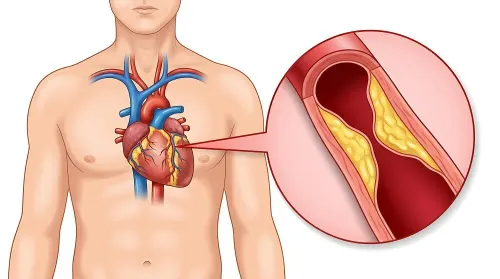
A cardiologist specializes in diagnosing, treating, and preventing diseases affecting the heart and blood vessels. Whether someone requires preventive heart screening or treatment for a complex cardiac condition, selecting a qualified specialist ensures that every stage of care is based on accurate diagnosis and evidence-based medical practices.
The first factor to consider is the cardiologist's experience in managing a wide range of heart conditions. Patients may seek care for hypertension, coronary artery disease, arrhythmias, heart failure, valve disorders, or preventive cardiac evaluations. A specialist who regularly treats these conditions is better equipped to recommend individualized treatment plans based on each patient's medical history and risk profile.
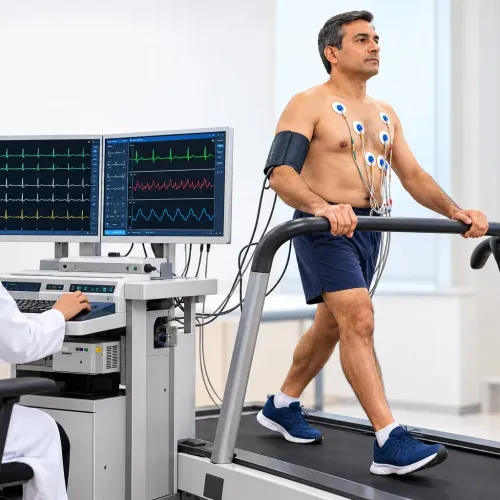
Another important consideration is the availability of comprehensive diagnostic services. Heart disease often requires multiple investigations before an accurate diagnosis can be made. A well-equipped cardiology practice should provide access to investigations such as:
- Electrocardiogram (ECG)
- Echocardiography
- Stress testing
- Holter monitoring
- Blood pressure monitoring
- Preventive cardiac assessments
Having these diagnostic facilities available helps reduce delays and allows treatment decisions to be made more efficiently.
Patients should also evaluate how thoroughly a cardiologist explains medical conditions and treatment options. Heart-related diagnoses can be overwhelming, particularly for individuals receiving their first diagnosis. A good cardiologist takes time to explain test results, discuss risk factors, answer questions, and involve patients in decisions about their care. Clear communication often improves treatment adherence and reduces anxiety.
Preventive cardiology is another aspect that deserves attention. Many heart attacks and strokes can be prevented through early detection of risk factors such as high blood pressure, diabetes, elevated cholesterol, obesity, and smoking. Rather than treating heart disease only after symptoms develop, experienced cardiologists emphasize preventive care through regular health screenings and lifestyle guidance.
Accessibility also matters when choosing a heart specialist. Regular follow-up visits are often necessary for chronic conditions such as hypertension, heart failure, and coronary artery disease. Choosing a cardiologist with a convenient location and organized appointment system makes long-term care easier for patients and their families.
For residents of Mumbai, healthcare decisions often need to fit around demanding work schedules and daily commuting. Having access to an experienced cardiologist within the city allows patients to receive prompt evaluation without unnecessary delays. Early consultation becomes particularly important for individuals experiencing persistent chest discomfort, unexplained breathlessness, dizziness, or irregular heartbeats.
Patients should not wait until symptoms become severe before seeking specialist advice. Those with a family history of heart disease, diabetes, obesity, smoking habits, or long-standing hypertension can benefit from routine cardiac assessments even if they currently feel well. Early detection often leads to simpler treatment and better long-term outcomes.
Dr Vijay Bang Cardiologist provides comprehensive cardiac evaluation for patients seeking preventive care as well as treatment for a wide range of cardiovascular conditions. Through detailed clinical assessment, advanced diagnostic investigations, and personalized treatment planning, patients receive care tailored to their individual health needs rather than a one-size-fits-all approach.
Choosing the best cardiologist is ultimately about finding a specialist who combines clinical expertise with patient-focused care. A thoughtful approach to diagnosis, preventive medicine, and long-term heart health management can help reduce future cardiovascular risks and support a healthier, more active life.
Keywords