Chest pressure, breathlessness, sweating, nausea, unusual weakness or pain that spreads to the arm, back, neck or jaw can signal a heart attack, even when symptoms are mild or come and go. You will learn how to call for help in Mumbai, what emergency teams check, why STEMI and NSTEMI require different treatment, and how rapid care limits permanent heart damage.
Key takeaways
- Call emergency services for chest pressure, breathlessness, sweating, nausea or faintness.
- Rest, unlock the door and avoid driving yourself to hospital.
- An ECG and blood tests distinguish heart attack types and guide treatment.
- Fast catheter-based artery treatment limits heart muscle damage.
Recognise the warning signs and call for emergency help
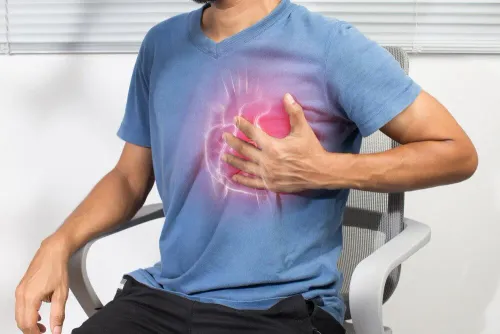
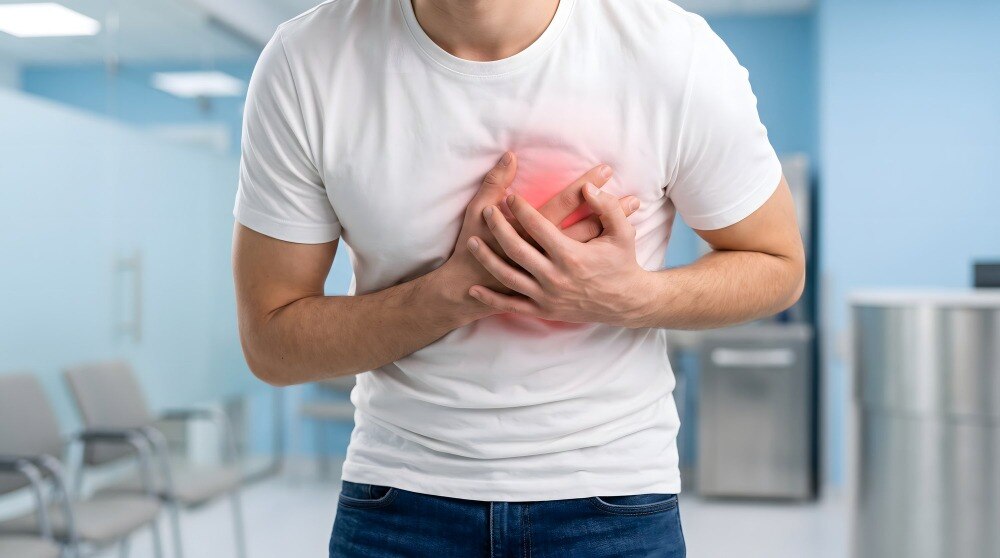
Heart attack symptoms are not limited to crushing pain. Chest pressure, squeezing, fullness or burning, pain spreading to arm, shoulder, back, neck or jaw, shortness of breath, cold sweating, nausea, unusual weakness or faintness all require urgent assessment.
| Pattern | What you may notice | What to do |
|---|---|---|
| Common | Chest pressure with breathlessness or sweating | Call emergency services immediately |
| Less typical | Nausea, unusual fatigue or upper-abdominal discomfort | Treat it as an emergency, especially with diabetes or older age |
| Severe | Fainting, extreme breathlessness or collapse | Call 112 or 108 in Mumbai and start CPR if the person is unresponsive and not breathing normally |
- Stop exertion and sit or lie in a safe position.
- Call 112 or 108; do not drive yourself, wait for symptoms to pass, or seek a routine appointment.
- Tell the dispatcher when symptoms began and request ambulance transport to a hospital with a cardiac catheterisation laboratory.
- Take 162–325 mg of chewable aspirin only if the dispatcher or clinician advises it and you have no aspirin allergy or active bleeding.
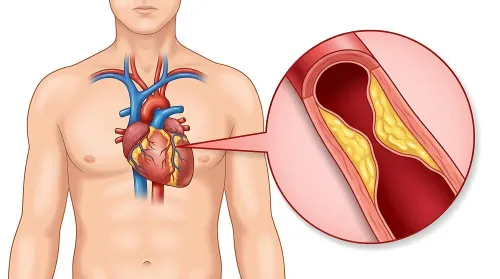
Every minute of blocked coronary blood flow can destroy heart muscle and raise the risk of heart failure, dangerous rhythms and death.
What to do while an ambulance is coming in Mumbai
Sit upright or lie on your side, keep movement to a minimum, and do not drive yourself. Call the 112 emergency number Mumbai or 108 ambulance immediately; ambulance transport lets the crew assess you on the way and prepare the receiving hospital.
- Unlock the door, keep your phone nearby, and tell someone to meet the crew.
- Follow the dispatcher’s instructions and state your exact location, building access details, symptoms, and when they began.
- Take aspirin only if the dispatcher or a clinician advises it and you have no aspirin allergy, active bleeding, or instruction to avoid it.
- Use prescribed nitroglycerin only as directed; do not take someone else’s heart medicine.
- Avoid food, drink, smoking, and walking around while you wait.
- If you become unresponsive and stop breathing normally, the person with you should call the dispatcher back, begin CPR, and use an automated external defibrillator if available.
The ambulance team can record an ECG, check vital signs, start appropriate treatment, and alert a hospital before arrival. The hospital may route you directly to its cardiac catheterisation laboratory for urgent artery-opening treatment. Keep your medicines, allergy information, identification, and recent medical records ready, but do not delay departure to collect them.
How doctors confirm a heart attack and rule out look-alike emergencies
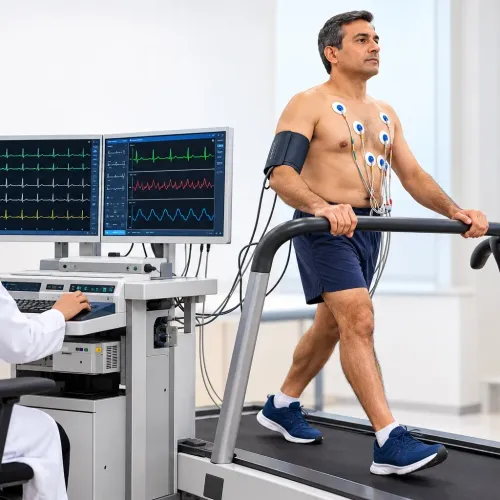
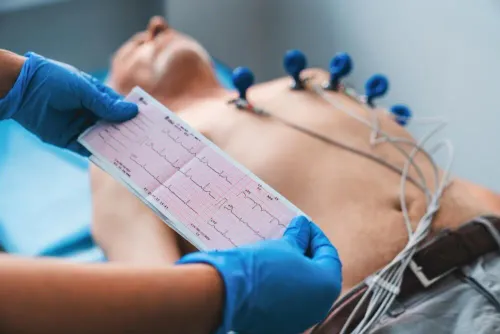
Emergency teams look for evidence of blocked heart blood flow and compare it with tests for other emergencies. They obtain and interpret a 12-lead ECG within 10 minutes of first medical contact.
ST-segment elevation can identify STEMI, but a normal or unclear first tracing does not exclude a heart attack; repeat ECGs follow when symptoms continue or suspicion remains high.
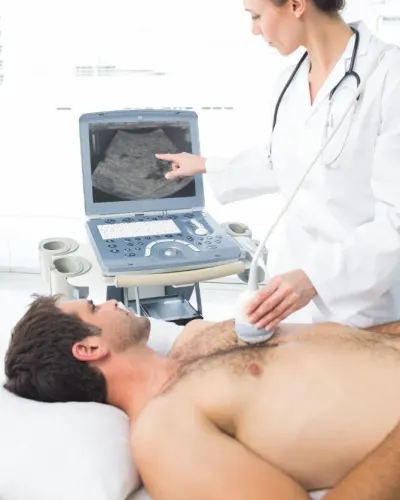
They measure serial high-sensitivity troponin using a validated timing algorithm. One early result can be negative because heart-muscle injury has not released enough troponin into the blood. Blood pressure, pulse, physical examination, oxygen saturation and bedside ultrasound add further clues; oxygen is reserved for low saturation, breathing distress or heart failure rather than given routinely.
Look-alike emergencies receive targeted assessment:
- Aortic dissection can cause sudden tearing chest or back pain, unequal pulses or different blood pressures; CT angiography may be needed.
- Pulmonary embolism can cause breathlessness, chest pain, a fast pulse or low oxygen saturation; doctors may use CT pulmonary angiography.
- Myocarditis can mimic a heart attack, so ECG, troponin, echocardiography and cardiac MRI may help.
- Panic symptoms or indigestion do not safely explain symptoms until dangerous causes have been assessed.
No single test settles every case. Teams combine the symptom pattern, repeated ECGs, changing troponin levels and imaging before choosing treatment.
STEMI, NSTEMI and why every treatment minute matters
A STEMI needs immediate artery-opening treatment because a blocked coronary artery is actively destroying heart muscle. A non-ST-elevation myocardial infarction NSTEMI still requires emergency hospital care, but its treatment route depends on ECG findings, troponin results, symptoms and overall risk rather than automatic immediate reperfusion.
| Type | Urgency and route | Acceptable delay |
|---|---|---|
| ST-elevation myocardial infarction STEMI | Primary PCI is preferred at a catheterisation-capable hospital. | Aim for a 90-minute device time; if transfer is required, keep the 120-minute transfer time target. |
| STEMI when PCI will miss the time window | Give fibrinolytic treatment to an eligible patient, usually within 12 hours of symptom onset and without contraindications. | Target administration within 30 minutes of hospital arrival, then transfer for angiography and rescue PCI if blood flow is not restored. |
| Non-ST-elevation myocardial infarction NSTEMI | Use antithrombotic treatment, monitoring, risk assessment and an invasive strategy when indicated. | Do not wait at home: high-risk features can require urgent angiography, but fibrinolysis is not used. |
Fibrinolysis in NSTEMI can cause serious bleeding without opening the responsible artery. For STEMI, every minute without restored blood flow increases permanent muscle loss and the risks of heart failure, dangerous rhythms and death.
Call emergency services rather than driving; paramedics can record an ECG, alert the receiving hospital and speed the route to definitive treatment.
Medicines, oxygen and catheter-based treatment in the hospital
Treatment follows the ECG, troponin results, bleeding risk and the suspected artery problem—not a one-size-fits-all drug bundle. Give an adult with suspected acute coronary syndrome chewable aspirin 162–325 mg promptly unless there is aspirin allergy, active bleeding or another specific contraindication.
Oxygen is reserved for low blood oxygen or respiratory distress; routine oxygen with normal oxygen levels offers no proven benefit.
| Diagnosis | Immediate approach | Why matching matters |
|---|---|---|
| STEMI | Primary PCI; fibrinolysis within 30 minutes if PCI cannot be achieved promptly | A blocked artery needs rapid reperfusion |
| NSTEMI | Antithrombotic treatment, risk assessment and angiography when indicated | Fibrinolysis can cause serious bleeding without improving an NSTEMI |
| Unstable angina | Antiplatelet treatment, monitoring and risk-based invasive care | Symptoms occur without the biomarker rise that defines infarction |
Dual antiplatelet therapy combines aspirin with an oral P2Y12 inhibitor for many intermediate- or high-risk patients, often for about 12 months. Bleeding, surgery or a need for long-term anticoagulation can shorten or change that plan.
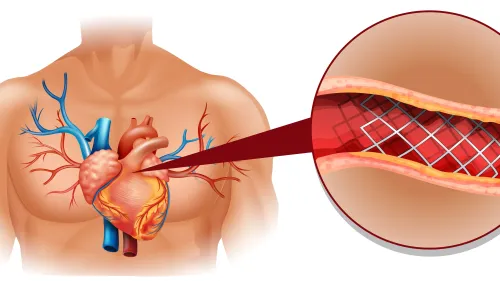
During coronary angiography, doctors often use the radial artery in the wrist because it reduces access-site bleeding. PCI can open the culprit vessel with a balloon and stent; femoral access remains appropriate when wrist access is unsuitable.
Recovery begins after the artery is treated
After discharge, ask for a written secondary prevention plan, not just a prescription. Cardiac rehabilitation combines supervised exercise, education, risk-factor review and emotional support; referral after myocardial infarction or PCI is associated with fewer recurrent events and lower mortality.
Your plan should cover:
- Medication adherence and follow-up: take each medicine as prescribed, and do not stop aspirin or a P2Y12 inhibitor after stenting without medical advice. Dual antiplatelet therapy often lasts about 12 months after acute coronary syndrome, but bleeding, surgery or anticoagulation can change the duration.
- Smoking cessation: use counselling and approved treatment rather than switching to another tobacco product.
- Nutrition and risk-factor checks: review blood pressure, cholesterol, diabetes, weight and kidney function.
- Warning symptoms: seek emergency help for renewed chest pressure, breathlessness, faintness or sweating.
Once you are stable after discharge, a Mumbai cardiologist can review the hospital records, reconcile medicines, arrange rehabilitation and set testing dates. Dr Vijay Bang Cardiologist in Mumbai can help coordinate that follow-up when treatment decisions, bleeding concerns or recurrent symptoms need prompt review.
Related services
Coronary Angioplasty About Coronary Angioplasty and why you need the best angioplasty doctor The Percutaneous coronary angioplasty (PTCA or PCI) is a non-surgical... View service → |
Cardiology Cardiology The Cardiology is a branch of cardiac medicine dealing with diseases of the heart as well as parts of the blood circulatory system. |
Frequently asked questions
What warning signs suggest a heart attack?
Chest pressure, squeezing, fullness or burning, pain spreading to the arm, shoulder, back, neck or jaw, shortness of breath, cold sweating, nausea, unusual weakness or faintness require emergency assessment.
What should I do while an ambulance is coming in Mumbai?
Stop exertion, sit or lie in a comfortable position, unlock the entrance, keep your phone available and follow the emergency operator’s instructions. Do not drive yourself.
How do doctors confirm a heart attack?
Doctors use an electrocardiogram, serial blood tests for cardiac troponin and clinical findings. They also assess conditions that can mimic a heart attack.
What is the difference between STEMI and NSTEMI?
STEMI involves characteristic ST-segment elevation on an ECG and usually requires immediate artery-opening treatment. NSTEMI has no ST-segment elevation but shows heart-muscle injury through troponin testing.
Why does treatment time matter?
A blocked coronary artery deprives heart muscle of oxygen. Restoring blood flow sooner limits injury and supports better recovery.
Related services
Coronary Angiography Doing a good angiography is also not an easy task. People search for the best angiography doctors in Mumbai or in India and that is when they call Dr... View service → |
FFR (Fractional flow reserve) Fractional flow reserve (FFR) is a technique used in coronary catheterization to measure pressure differences across a coronary artery stenosis... View service → |
Rotablator Rotablator In the rotablator procedure, a catheter is introduced and advanced to the coronary artery over the guide wire cross the stenosis inside the coronary... |