A cholesterol result is not a diagnosis or a treatment plan by itself: LDL-C, triglycerides, blood pressure, diabetes, smoking and existing artery disease all change the decision. By the end, you will know which tests matter, when lifestyle changes are enough, when medication is indicated and how follow-up confirms that treatment is working.
Key takeaways
- LDL cholesterol is the main target for preventing heart attack and stroke.
- Your treatment threshold depends on heart disease, diabetes, kidney disease, and overall risk.
- Repeat cholesterol testing after lifestyle changes or medication adjustments.
- Statins are first-line medicines; the right choice depends on risk, response, and tolerance.
What do LDL, HDL, triglycerides and the other cholesterol numbers mean?
A lipid panel measures several blood fats, but LDL cholesterol is the main treatment target for preventing heart attack and stroke. LDL-C is the laboratory abbreviation for the same value.
Lowering LDL-C by 39 mg/dL (1 mmol/L) reduces major vascular events by roughly 20% to 25% in trials, with the greatest absolute benefit in people at higher cardiovascular risk.
| Result | What it measures | How it affects decisions |
|---|---|---|
| LDL cholesterol (LDL-C) | Cholesterol carried in LDL particles | Drives statin and other LDL-lowering treatment |
| HDL cholesterol (HDL-C) | Cholesterol carried back toward the liver | Helps estimate risk; raising it alone is not a treatment target |
| Triglycerides | Blood fats carried in triglyceride-rich particles | Requires separate assessment, especially at 500 mg/dL or higher |
| Non-HDL cholesterol | Total cholesterol minus HDL-C | Captures LDL and other atherogenic cholesterol |
| Total cholesterol | HDL-C, LDL-C and other cholesterol combined | Useful context, but rarely guides treatment alone |
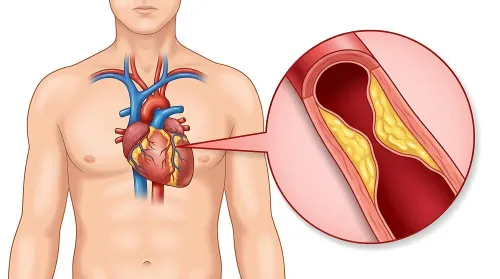
For established atherosclerotic disease, such as a heart attack, ischemic stroke or coronary revascularisation, treatment usually aims for at least a 50% LDL-C reduction; an LDL-C of 70 mg/dL (1.8 mmol/L) or higher can prompt added therapy in very-high-risk patients. Diabetes, kidney disease or high overall risk can also change the threshold.
You can usually have a nonfasting sample. Fast for 8 to 12 hours when triglycerides are high, the result is unexpected, or your clinician needs a more accurate triglyceride-based LDL-C calculation. Water is allowed; avoid alcohol before testing.
How do your risk factors change the cholesterol treatment threshold?
Treatment is based on your overall cardiovascular risk, not total cholesterol or LDL-C alone. A modest LDL-C result can still prompt medication when several risk factors cluster; a higher result may lead to shared decision-making when your wider risk is low.
Risk rises when you have:
- Older age, which increases baseline cardiovascular risk.
- High blood pressure, especially when it remains uncontrolled.
- Cigarette smoking, which strengthens the case for treatment at a lower estimated risk.
- Diabetes, particularly with a long duration or additional complications.
- Chronic kidney disease, which is linked to higher vascular risk.
- A strong family history of premature heart attack or stroke.
- Established vascular disease, such as a previous heart attack, ischaemic stroke, symptomatic peripheral artery disease, coronary stenting or bypass surgery.
HDL-C, triglycerides and non-HDL cholesterol add context to the lipid panel, while clinicians use the full pattern to judge treatment intensity. They also review conditions and medicines that can distort the result.
A coronary artery calcium scan can clarify an uncertain statin decision in selected adults without known cardiovascular disease. A score of zero often supports deferring treatment, but that exception generally does not apply to smokers, people with diabetes or those with a strong premature family history.
After a cardiovascular event, high-intensity statin therapy is generally recommended, aiming for at least a 50% LDL-C reduction; if LDL-C remains above 70 mg/dL (1.8 mmol/L), adding a nonstatin may be considered.
When can lifestyle changes lower cholesterol, and when should you repeat the test?
Lifestyle changes can lower LDL cholesterol, especially when you replace saturated fat with unsaturated fats and add fibre, but the reduction is usually modest. Give a consistent plan 8 to 12 weeks before repeating a lipid panel unless your clinician wants an earlier check.
- Choose beans, oats, barley, vegetables, fruit and psyllium for soluble fibre, which helps reduce LDL.
- Replace butter, ghee, fatty meat, full-fat dairy and fried foods with nuts, seeds, fish and liquid plant oils. Avoid trans fat in partially hydrogenated oils and packaged fried foods.
- Do at least 150 minutes of moderate exercise, such as brisk walking, each week, plus muscle-strengthening activity on two days.
- If you carry excess weight, reduce portions and sugary drinks so weight falls gradually; even modest loss can improve triglycerides and blood pressure.
- Stop tobacco completely. Avoid binge drinking and reduce alcohol if triglycerides are high, diabetes is uncontrolled, or your clinician advises abstinence.
These steps also support blood-pressure and diabetes control, but they cannot reliably replace medication when LDL is severely elevated, cardiovascular disease is established, or inherited high cholesterol is suspected. Starting a statin is not a failure of diet or exercise; medication can produce a much larger LDL reduction.
Repeat the panel 4 to 12 weeks after starting or changing cholesterol medicine. After the result stabilises, recheck every 3 to 12 months according to your risk, treatment changes and clinician’s plan.
Which cholesterol medicines are used, and how are statins compared?
Statins are compared by the LDL-C reduction they are expected to produce, not by tablet strength alone.
| Intensity | Common regimen | Expected LDL-C reduction |
|---|---|---|
| Moderate | Atorvastatin 10–20 mg, or rosuvastatin 5–10 mg daily | 30%–49% |
| High | Atorvastatin 40–80 mg, or rosuvastatin 20–40 mg daily | At least 50% |
After starting or changing treatment, repeat a lipid panel in 4 to 12 weeks. Recheck every 3 to 12 months after that, based on response, adherence and treatment changes.
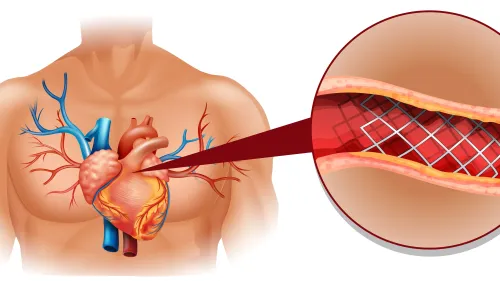
For established atherosclerotic cardiovascular disease, including a heart attack, ischaemic stroke, peripheral artery disease, coronary stenting or bypass surgery, high-intensity treatment is usually recommended. A stent that remains open does not remove the risk of another event.
If LDL-C remains above the agreed threshold on the highest tolerated statin dose, discuss adding:
- Ezetimibe, which usually lowers LDL-C by another 15% to 25% and is a common first add-on.
- A PCSK9 inhibitor when risk remains very high despite statin plus ezetimibe; injections can produce larger additional reductions and lower cardiovascular events.
- Bempedoic acid when an adequate statin dose is not tolerated. It can reduce events in statin-intolerant patients, but raises the risk of hyperuricaemia, gout and, less often, tendon problems.
Muscle symptoms do not automatically mean abandoning statins. A clinician can review drug interactions and other causes, then try a lower dose, a different statin or intermittent dosing while retaining the highest tolerated amount.
How should high triglycerides and an individual treatment plan be handled?
Triglycerides need separate attention because they are not interchangeable with LDL-C. A result around 500 mg/dL or higher raises concern for pancreatitis, so treatment may need to address triglycerides urgently while LDL-focused therapy continues rather than being stopped.
Check the following before choosing or changing treatment:
- Repeat the lipid panel as advised, including a fasting sample when triglycerides are markedly elevated or the first result is unexpected.
- Look for uncontrolled diabetes, alcohol use, hypothyroidism and kidney disease.
- Review medicines that can raise triglycerides, such as corticosteroids, oestrogens, some diuretics, beta blockers and certain HIV treatments.
- Check every prescription, over-the-counter medicine and supplement for interactions before adding therapy.
The plan then depends on your cardiovascular risk, triglyceride level, liver and kidney function, symptoms and treatment response.
If statin-associated muscle symptoms limit the dose, bempedoic acid or a PCSK9 inhibitor may be considered alongside other options; bempedoic acid deserves caution with gout or high uric acid, while injectable treatment is reserved for suitable risk profiles.
A coronary artery calcium scan can refine an uncertain prevention decision, but a score of zero does not erase lifetime risk or untreated severe LDL elevation. Dr Vijay Bang Cardiologist in Mumbai can connect the results with medication tolerability, interactions, prior vascular disease and a schedule for repeat lipids and long-term follow-up.
Frequently asked questions
What do LDL, HDL, triglycerides and other cholesterol numbers mean?
LDL-C is the main treatment target for preventing heart attack and stroke. HDL, triglycerides, total cholesterol, non-HDL cholesterol, and sometimes ApoB provide additional information about cardiovascular risk.
How do risk factors change the cholesterol treatment threshold?
A history of heart attack, stroke, or blocked arteries usually calls for more intensive LDL lowering. Diabetes, chronic kidney disease, smoking, high blood pressure, family history, and calculated cardiovascular risk also affect treatment decisions.
When can lifestyle changes lower cholesterol, and when should you repeat the test?
Diet quality, weight management, regular physical activity, avoiding tobacco, and limiting alcohol can improve cholesterol. Repeat testing after a defined period of lifestyle changes or after starting or changing medicine to check the response.
Which cholesterol medicines are used, and how are statins compared?
Statins are first-line medicines for reducing LDL cholesterol. Doctors compare statins by potency, dose, expected LDL reduction, interactions, side effects, kidney or liver considerations, and the patient’s cardiovascular risk.
How should high triglycerides and an individual treatment plan be handled?
Address diabetes, alcohol intake, excess weight, diet, thyroid disease, and medicines that raise triglycerides. Very high triglycerides require prompt medical assessment because pancreatitis risk increases, while the overall plan should match the patient’s risk and test results.