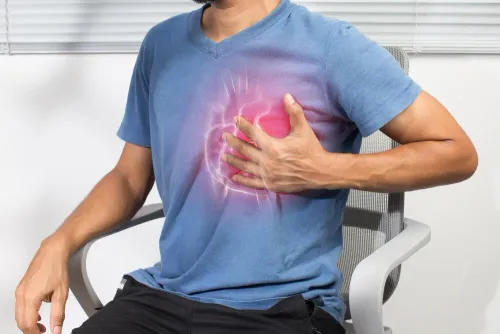
Heart failure does not mean that the heart has stopped working. It means the heart is unable to pump blood as efficiently as the body needs. When this happens, organs and tissues receive less oxygen-rich blood, leading to symptoms that can gradually affect everyday life. With timely diagnosis and appropriate heart failure treatment, many people are able to manage the condition effectively and maintain a good quality of life.
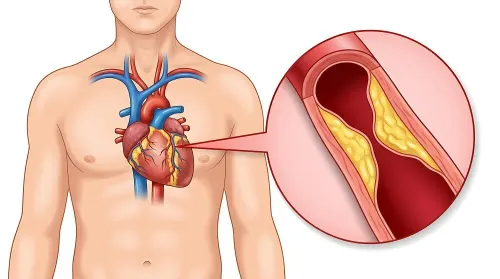
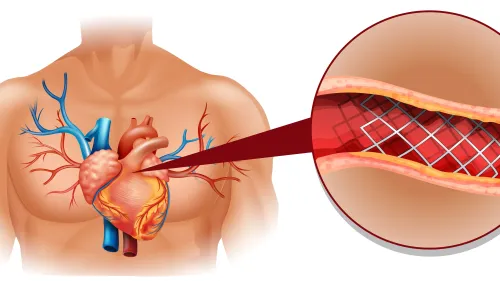
Heart failure usually develops over time rather than occurring suddenly. It is often the result of other cardiovascular conditions that weaken or damage the heart muscle. Coronary artery disease, previous heart attacks, long-standing high blood pressure, diabetes, heart valve disorders, and certain cardiomyopathies are among the most common causes.
The early symptoms of heart failure can easily be mistaken for signs of aging or fatigue. Many people ignore these changes until they begin interfering with daily activities. Common warning signs include:
- Shortness of breath during routine activities or while lying flat
- Persistent tiredness or weakness
- Swelling in the ankles, feet, or legs
- Rapid or irregular heartbeat
- Unexplained weight gain caused by fluid retention
- Frequent nighttime urination
- Reduced ability to exercise
- Persistent cough or wheezing
These symptoms should not be ignored, especially if they become more frequent or gradually worsen.
Heart failure is generally classified according to how well the heart pumps blood. Some patients have reduced pumping function, while others have a normal pumping capacity but experience difficulty because the heart muscle has become stiff. Identifying the exact type is essential because treatment plans differ for each condition.
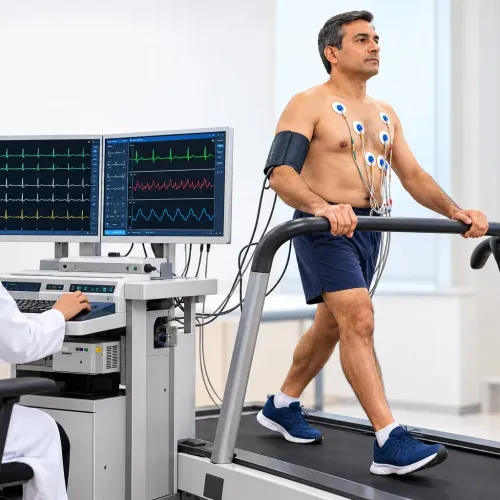
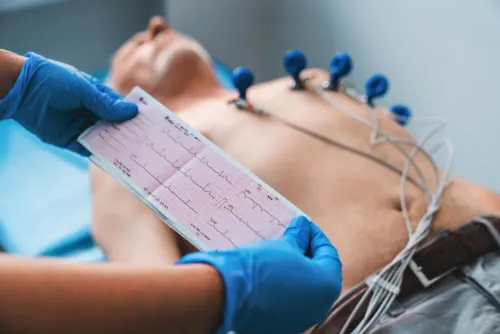
Diagnosis begins with a detailed medical history and physical examination. A cardiologist may recommend several investigations to understand the condition fully. These commonly include:
- Electrocardiogram (ECG)
- Echocardiography to assess heart function
- Blood tests
- Chest X-ray
- Stress testing when appropriate
- Additional imaging or specialized cardiac investigations if required
These tests help determine the severity of heart failure and identify the underlying cause.
Modern heart failure treatment focuses on relieving symptoms, slowing disease progression, and reducing the risk of hospitalization. Medications play a central role by helping the heart pump more efficiently, controlling blood pressure, reducing fluid buildup, and lowering the workload on the heart. Treatment is individualized based on the patient's symptoms, heart function, age, and other medical conditions.
Lifestyle changes remain equally important. Patients are often advised to:
- Follow a low-sodium diet
- Monitor daily body weight
- Stay physically active under medical guidance
- Limit alcohol intake
- Avoid smoking
- Take medications consistently
- Attend regular follow-up appointments
Recognizing worsening symptoms early can prevent medical emergencies. Increasing breathlessness, sudden swelling, rapid weight gain over a few days, persistent chest discomfort, or fainting should prompt immediate medical evaluation.
Mumbai's fast-paced lifestyle often makes it difficult for people to prioritize regular health checkups. Long working hours, stress, unhealthy eating habits, and existing conditions such as hypertension or diabetes can increase the likelihood of developing heart failure. Routine cardiac evaluations become especially valuable for individuals who already have cardiovascular risk factors.
Dr Vijay Bang Cardiologist provides comprehensive evaluation and personalized heart failure treatment by identifying the underlying cause, assessing heart function, and developing a long-term management strategy. The goal is to improve both symptom control and overall heart health while helping patients maintain an active lifestyle.
Heart failure is a chronic condition, but it is not without hope. Early diagnosis, evidence-based treatment, healthy lifestyle choices, and regular cardiac monitoring can significantly improve outcomes. Seeking medical advice when symptoms first appear offers the best opportunity to protect heart function and reduce future complications.
Keywords