An ECG test is one of the most commonly performed investigations in cardiology because it provides valuable information about the heart's electrical activity within just a few minutes. Despite being quick and painless, many people are unsure why an ECG is recommended or what the results actually reveal. Understanding the purpose of this test can help patients appreciate its role in diagnosing heart conditions and guiding timely treatment.
An electrocardiogram, commonly known as an ECG, records the electrical signals that control every heartbeat. Each time the heart contracts and relaxes, these electrical impulses create a pattern that can be measured using small electrodes placed on the chest, arms, and legs. The recorded tracing helps cardiologists identify abnormalities that may not be apparent during a routine physical examination.
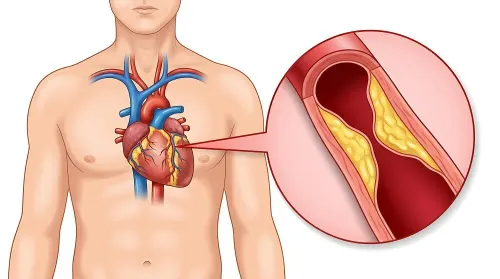
Doctors recommend an ECG test for a variety of reasons. One of the most common is the evaluation of chest pain. While not every episode of chest discomfort is caused by heart disease, an ECG helps determine whether reduced blood flow to the heart or an ongoing heart attack could be responsible.
An ECG may also be advised if a patient experiences symptoms such as:
- Palpitations or irregular heartbeat
- Shortness of breath
- Dizziness or fainting
- Unexplained fatigue
- Rapid or unusually slow heartbeat
- Persistent high blood pressure
- Chest tightness during physical activity
In many cases, the test forms part of a routine cardiac evaluation, particularly for individuals with risk factors such as diabetes, high cholesterol, obesity, or a family history of cardiovascular disease.
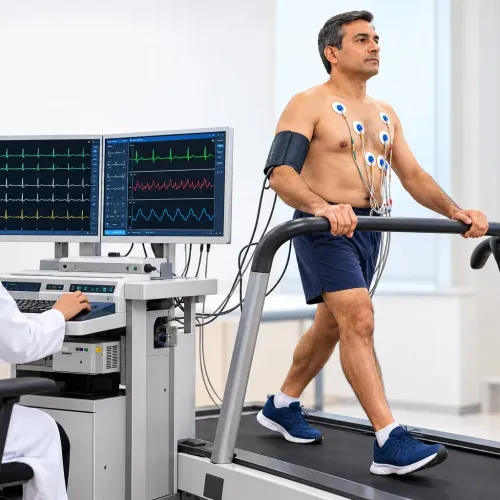
The procedure itself is simple and non-invasive. Small adhesive electrodes are attached to specific areas of the body, and the machine records the heart's electrical activity while the patient remains still. The test usually takes only a few minutes and does not involve needles, injections, or radiation exposure. Most patients can return to their normal activities immediately afterward.
Although an ECG is straightforward, the information it provides is extremely valuable. It can help identify:
- Heart rhythm disorders such as atrial fibrillation
- Evidence of previous or ongoing heart attacks
- Reduced blood supply to the heart muscle
- Abnormal heart enlargement
- Conduction abnormalities within the heart's electrical system
- Effects of certain medications on heart rhythm
However, it is important to understand that a normal ECG does not always rule out heart disease. Some heart conditions may only become apparent during physical activity or occur intermittently. In such situations, a cardiologist may recommend additional investigations such as Holter monitoring, stress testing, or echocardiography to obtain a more complete picture of heart function.
An ECG also plays an important role in preventive healthcare. Individuals who have no obvious symptoms but possess multiple cardiovascular risk factors may benefit from baseline cardiac assessment. Early detection allows treatment to begin before serious complications develop.
People living in Mumbai often experience long working hours, emotional stress, sedentary lifestyles, and irregular eating habits, all of which may increase cardiovascular risk over time. Regular health checkups that include an ECG, when clinically indicated, can help identify early changes that deserve further evaluation.
Dr Vijay Bang Cardiologist uses ECG testing as part of a comprehensive cardiac assessment rather than relying on a single investigation. Test results are interpreted alongside medical history, physical examination, laboratory findings, and additional cardiac investigations when necessary to provide an accurate diagnosis and personalized treatment plan.
An ECG test is a valuable diagnostic tool because it offers rapid insight into the heart's electrical activity without discomfort or lengthy preparation. Whether performed to investigate symptoms or as part of preventive care, it remains one of the most important first steps in protecting long-term heart health through early diagnosis and timely medical intervention.
Keywords