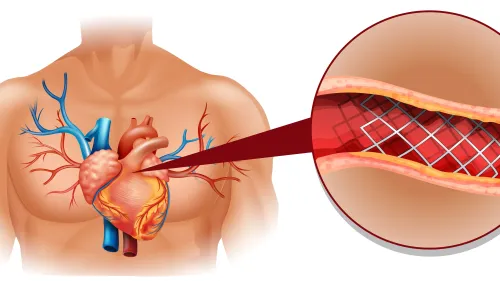
When symptoms or earlier investigations suggest a possible problem with the arteries supplying the heart, a cardiologist may consider coronary angiography. Patients often associate the word angiography with angioplasty, but these are different procedures with different purposes.
A cardiac specialist in Mumbai may use coronary angiography to obtain detailed information about the coronary arteries and determine whether significant narrowing or blockage is present.
What Is Coronary Angiography?
Coronary arteries supply oxygen-rich blood to the heart muscle. When fatty deposits build up within these arteries, blood flow can become restricted.
Coronary angiography is an invasive diagnostic procedure that allows doctors to visualise these arteries. A thin catheter is introduced through an artery, commonly through the wrist or groin depending on the clinical situation. Contrast material is then used while X-ray imaging captures the coronary circulation.
The resulting images help doctors identify where narrowing is located and how significant it appears.
Why Might Angiography Be Recommended?
Not everyone experiencing chest discomfort requires coronary angiography.
A cardiologist may consider it after reviewing symptoms, cardiovascular risk factors, ECG findings, blood tests, non-invasive cardiac investigations, and the overall likelihood of coronary artery disease.
It may be recommended in circumstances such as suspected acute coronary syndrome, concerning symptoms despite medical treatment, or when other investigations indicate that detailed coronary assessment is required.
The decision is individual and should be explained to the patient.
Angiography Is Different From Angioplasty
This distinction is useful.
Coronary angiography identifies and assesses narrowing or blockage.
Coronary angioplasty is a treatment procedure in which a narrowed coronary artery may be opened, commonly using a balloon and stent when clinically appropriate.
Finding a narrowing during angiography does not automatically mean every patient requires angioplasty. Treatment depends on factors such as the severity and location of disease, symptoms, overall heart function, other medical conditions, and the expected benefit of different management options.
What Should Patients Discuss Before the Procedure?
Patients should provide complete information about medications, allergies, kidney problems, previous procedures, diabetes, bleeding disorders, and other significant medical conditions.
Questions worth discussing include:
- Why is angiography being recommended?
- What information is the procedure expected to provide?
- Are alternative investigations appropriate?
- What are the relevant risks and benefits?
- What happens if significant narrowing is found?
- Will treatment be considered during the same procedure?
Clear answers help patients participate meaningfully in treatment decisions.
What Happens After Angiography?
Recovery instructions depend partly on the access site and the patient's medical condition. The medical team may provide guidance about activity, medicines, hydration, wound care, and symptoms that should prompt medical attention.
Some patients may be managed with medicines and cardiovascular risk-factor control after angiography. Others may require angioplasty or consideration of cardiac surgery depending on their coronary anatomy and clinical circumstances.
Dr Vijay Bang Cardiologist provides cardiovascular assessment in Mumbai for patients who may require evaluation for coronary artery disease, including decisions around appropriate cardiac investigations.
Coronary angiography is most useful when it answers a specific clinical question. Patients should understand why it has been recommended and how the findings could influence their treatment rather than viewing the procedure as an automatic step for every episode of chest discomfort.
Keywords