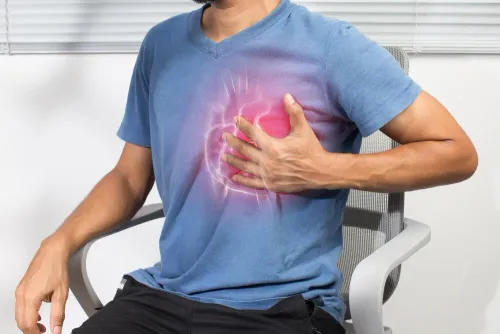
Chest pain is one of the most concerning symptoms a person can experience. While it is not always caused by a heart condition, it should never be ignored or self-diagnosed. The discomfort may range from a sharp, stabbing sensation to a feeling of pressure, heaviness, or tightness across the chest. Understanding the possible causes of chest pain and seeking timely chest pain treatment can help prevent serious complications and ensure appropriate care.
Many conditions can cause chest pain, and not all of them are related to the heart. Muscle strain, acid reflux, lung infections, anxiety, and digestive disorders can all produce chest discomfort. However, because heart disease remains a major cause of chest pain, it is essential to rule out cardiac problems before assuming the cause is harmless.
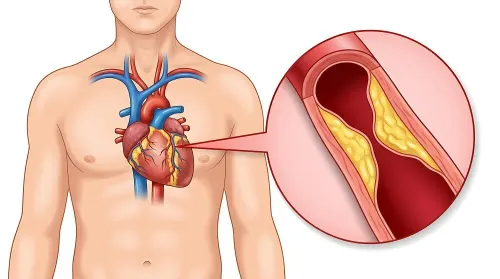
Heart-related chest pain usually occurs when the heart muscle does not receive enough oxygen-rich blood. This commonly happens because of narrowed or blocked coronary arteries. In some cases, chest pain may indicate a heart attack, while in others it may be a warning sign of coronary artery disease that requires prompt medical evaluation.
Certain symptoms suggest that chest pain may be related to the heart and should receive immediate attention. These include:
- Pressure, squeezing, or heaviness in the chest
- Pain spreading to the left arm, shoulder, neck, jaw, or back
- Shortness of breath
- Cold sweating
- Nausea or vomiting
- Dizziness or fainting
- Chest discomfort that worsens with physical activity
- Pain lasting more than a few minutes or recurring repeatedly
People with diabetes, older adults, and women may experience less typical symptoms, such as unusual fatigue, mild chest discomfort, or breathlessness without severe pain. Because heart attacks can present differently, it is always safer to seek medical evaluation rather than delay treatment.
The first step in chest pain treatment is determining its underlying cause. During the consultation, a cardiologist reviews the patient's symptoms, medical history, family history, medications, and cardiovascular risk factors. A physical examination is followed by appropriate investigations, which may include:
- Electrocardiogram (ECG)
- Blood tests to detect heart muscle injury
- Echocardiography
- Stress testing when appropriate
- Coronary imaging in selected cases
These investigations help identify whether the pain is related to blocked arteries, heart muscle disease, rhythm abnormalities, or another medical condition.
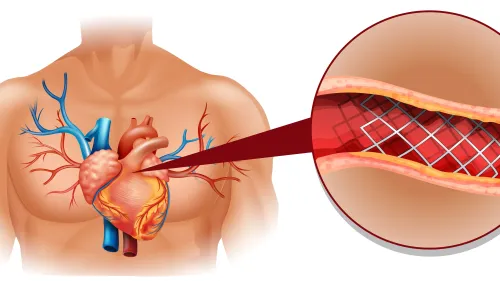
Treatment depends entirely on the diagnosis. If chest pain is caused by coronary artery disease, medications may be prescribed to improve blood flow, reduce the heart's workload, and control cholesterol or blood pressure. Some patients may require coronary angioplasty with stent placement to restore blood flow through blocked arteries. Others may benefit from lifestyle modifications and preventive treatment to reduce future cardiovascular risk.
Patients whose chest pain is unrelated to heart disease may be referred for treatment of digestive, respiratory, or musculoskeletal conditions. Accurate diagnosis prevents unnecessary anxiety while ensuring that serious cardiac problems are not overlooked.
Preventing future episodes of heart-related chest pain involves controlling major cardiovascular risk factors. Maintaining healthy blood pressure, managing diabetes, lowering cholesterol, exercising regularly, eating a balanced diet, avoiding tobacco, and attending routine health checkups all contribute to better heart health.
In Mumbai, demanding work schedules, chronic stress, sedentary lifestyles, and irregular eating habits have increased the prevalence of cardiovascular disease across different age groups. Individuals experiencing recurrent chest discomfort or possessing multiple risk factors should not postpone cardiac evaluation, even if symptoms appear mild.
Dr Vijay Bang Cardiologist provides comprehensive assessment for patients presenting with chest pain, combining detailed clinical evaluation with advanced cardiac investigations to identify the exact cause. Every treatment plan is tailored to the patient's overall cardiovascular health, helping address immediate concerns while reducing the likelihood of future heart-related complications.
Chest pain should never be dismissed as a minor inconvenience. Early medical attention, accurate diagnosis, and timely chest pain treatment can make a significant difference in protecting heart function and preventing life-threatening cardiac events.
Keywords