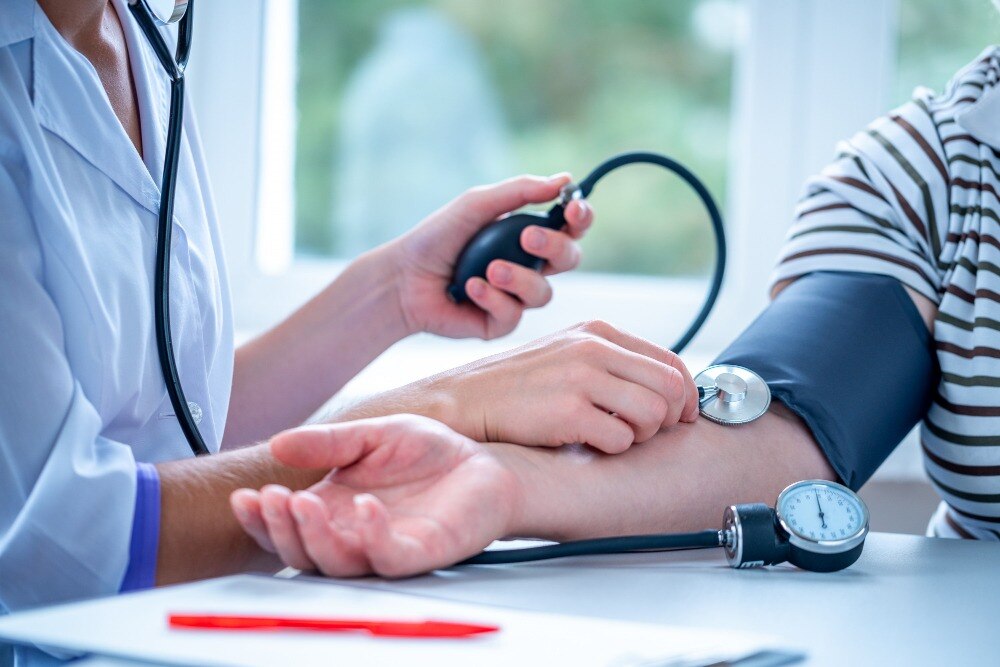
A single high blood-pressure reading does not prove hypertension, but persistently elevated pressure can damage the brain, heart, kidneys, eyes and blood vessels without causing symptoms. You will learn how to measure blood pressure accurately, recognise readings that need urgent care, and understand how lifestyle changes, medicines and clinical follow-up fit together.
Key takeaways
- Repeat correctly taken readings before confirming hypertension.
- Seek urgent care for very high pressure with chest pain or neurological symptoms.
- Reduce sodium, exercise regularly and limit alcohol to support lower blood pressure.
- Take prescribed medicines consistently and report side effects instead of stopping abruptly.
What blood-pressure readings mean and when they require urgent care
The practical hypertension definition is a blood pressure that remains at or above 130/80 mmHg after repeated, correctly taken measurements. One high office reading does not establish chronic hypertension; white-coat effects, pain, caffeine and stress can raise it temporarily.
| Blood pressure categories | Systolic | Diastolic | What to do |
|---|---|---|---|
| Normal blood pressure | Below 120 | Below 80 | Maintain healthy habits and recheck routinely |
| Elevated | 120–129 | Below 80 | Arrange routine follow-up |
| Stage 1 hypertension | 130–139 | 80–89 | Confirm with repeated or home readings and discuss treatment |
| Stage 2 hypertension | 140 or higher | 90 or higher | Arrange prompt medical review; treatment is usually needed |
The systolic or diastolic value determines the higher category. A written log of morning and evening readings helps your clinician judge persistence; measure after five quiet minutes, with your back and feet supported and arm at heart level, and take two readings one minute apart.
A reading above 180 systolic or 120 diastolic needs immediate rechecking after five minutes. If it remains that high without symptoms, contact a clinician promptly rather than trying to lower it rapidly yourself.
Call emergency services if that reading accompanies chest pain, breathlessness, severe headache, confusion, weakness or numbness, trouble speaking, vision loss, or severe back pain. These symptoms can signal stroke, heart attack, pulmonary edema, aortic dissection, or other acute organ injury.
How to measure blood pressure at home and confirm the diagnosis
Take two readings at each session, about one minute apart, and record both. A single office reading does not diagnose chronic hypertension; confirm it with repeated measurements and out-of-office monitoring when feasible. This helps identify white-coat hypertension and masked hypertension.
For reliable home blood pressure monitoring:
- Use a validated upper-arm cuff with the correct size; wrist and finger monitors are less dependable.
- Avoid caffeine, exercise and smoking for 30 minutes, empty your bladder, then sit quietly for five minutes.
- Support your back and feet, keep your arm at heart level, and do not talk during measurement.
- Measure in the morning and evening for several days, following your clinician’s instructions, and share the written log.
| Method | Effort and cost | Inconvenience | Diagnostic value |
|---|---|---|---|
| Office measurement | Least effort; usually part of a consultation | One brief, clinic-based snapshot | Useful for screening, but can show white-coat hypertension |
| Home monitoring | Requires buying and using a cuff | Repeated sessions at home | Shows usual daytime pressure and treatment response |
| Ambulatory blood pressure monitoring | Requires a prescribed monitor and clinic fitting | Wear it for about 24 hours, including sleep | Best for detecting white-coat and masked hypertension and nighttime patterns |
Use home or ambulatory results to confirm persistent hypertension before committing to long-term treatment when the clinical situation allows.
Lifestyle changes that lower blood pressure safely
Sodium reduction is one of the fastest lifestyle levers, especially for salt-sensitive hypertension. Cook with less salt, limit packaged foods, pickles, papad, instant noodles and salty snacks, and read labels for sodium rather than relying on taste.
| Change | Practical target | What can go wrong if ignored |
|---|---|---|
| DASH diet | Emphasise vegetables, fruit, beans, whole grains, nuts, low-fat dairy and fish | Processed meat and refined foods can preserve high sodium intake |
| Potassium-rich foods | Choose bananas, oranges, tomatoes, beans and leafy greens | Ask a clinician first if you have kidney disease or take medicines that raise potassium |
| Activity | Get 150 minutes weekly of moderate aerobic exercise plus resistance training twice weekly | Begin gradually if you are inactive; stop for chest pain or severe breathlessness |
| Weight | Lose weight when overweight, using a sustainable calorie reduction | Crash diets rarely last |
| Alcohol | Reduce intake or avoid it; do not exceed two drinks daily for men or one for women | Alcohol can raise pressure and weaken medication control |
| Sleep | Aim for 7–9 hours and seek assessment for loud snoring or pauses in breathing | Untreated sleep apnoea can keep pressure high |
| Smoking | Stop cigarettes and tobacco completely | Every cigarette strains blood vessels |
These measures complement medication, not replace it. Self-management is insufficient when readings remain above your clinician’s target, side effects prevent adherence, or you have kidney disease, diabetes, pregnancy, suspected sleep apnoea or cardiovascular symptoms; arrange medical review rather than changing treatment yourself.
How antihypertensive medicines are selected and used
Clinicians choose a hypertension medication according to blood-pressure level, kidney function, other conditions, and likely side effects. Substantially elevated pressure often needs two complementary first-line drugs, sometimes in one tablet.
| Class | Why it is chosen | Problems to monitor |
|---|---|---|
| Thiazide-like diuretic | Effective first-line treatment; useful with salt-sensitive hypertension | Low sodium or potassium, raised uric acid, gout, glucose changes |
| ACE inhibitor | Kidney protection with albuminuria; useful in diabetes or heart failure | Cough, high potassium, creatinine rise |
| ARB | Alternative when an ACE inhibitor causes cough; kidney protection in selected patients | High potassium, creatinine rise; avoid in pregnancy |
| Long-acting calcium-channel blocker | Effective first-line option, including in older adults | Ankle swelling, flushing, headache, constipation |
| Beta blocker | Useful with angina, prior heart attack, certain arrhythmias or heart failure | Slow pulse, fatigue, wheezing; not routine first-line treatment for uncomplicated hypertension |
Check creatinine and potassium after starting or increasing an ACE inhibitor or ARB. Do not routinely combine an ACE inhibitor with an ARB: the combination raises kidney injury, high potassium and low-pressure risks without routine benefit.
Take missed doses according to the medicine’s instructions; never double the next dose. Report fainting, severe weakness, facial swelling, breathing difficulty or a very slow pulse promptly. If pregnancy occurs, contact the prescriber immediately because ACE inhibitors and ARBs can harm the fetus; do not restart them without specialist advice.
What difficult-to-control hypertension may reveal
Pressure that remains above goal despite three complementary medicines at maximally tolerated doses is not automatically resistant hypertension. Clinicians first repeat readings with a correctly sized cuff, compare them with home or 24-hour ambulatory monitoring, review missed or unaffordable doses, and check whether the treatment plan is strong enough.
White-coat hypertension can make office readings look worse.
They also review sodium and alcohol intake, supplements, recreational substances, and medicines that raise blood pressure, including nonsteroidal anti-inflammatory drugs, decongestants, stimulants and corticosteroids. Do not stop a prescribed medicine without advice; bring every prescription, over-the-counter product and supplement to the review.
Investigate secondary hypertension when pressure starts abruptly, becomes severe, stays uncontrolled despite treatment, or appears with low potassium, kidney abnormalities or episodic headaches, sweating and palpitations:
- Kidney disease or renal artery disease
- Hormonal causes such as primary aldosteronism or thyroid disease
- Obstructive sleep apnea, especially with loud snoring, witnessed pauses or daytime sleepiness
- A medicine or substance effect
For confirmed resistant hypertension, spironolactone is often the preferred fourth medicine when kidney function and potassium allow. It can cause high potassium and breast enlargement, so clinicians monitor blood tests and switch treatment if risks outweigh benefit.
How targets, tests and follow-up protect your long-term health
A blood pressure treatment target is individual, not a universal number. Many adults may aim for a treated systolic pressure of 120–129 mmHg if tolerated, while frailty, symptoms, advanced age, cardiovascular risk, or kidney disease can justify a less intensive target.
Pregnancy hypertension needs a separate plan coordinated with obstetric care because medication safety and fetal wellbeing affect decisions.
At review, take these records and tests:
- A morning-and-evening home blood-pressure log, including the cuff used, readings, symptoms, and missed doses
- The complete medicine and supplement list, including ibuprofen, decongestants, steroids, and herbal products
- Blood tests for creatinine, estimated glomerular filtration rate, sodium, and potassium
- A urine albumin-to-creatinine ratio to detect kidney damage
- Cholesterol, glucose or HbA1c, and an electrocardiogram when cardiovascular risk or symptoms warrant them
Hypertension follow-up is especially important after starting or changing treatment, because kidney function and potassium can change before you feel unwell.
A cardiology consultation with Dr Vijay Bang Cardiologist in Mumbai can help reconcile medicines, interpret risk and test results, and coordinate care with a nephrologist or obstetrician when kidney disease, resistant readings, pregnancy, or suspected heart damage complicates the plan.
Frequently asked questions
When does a blood-pressure reading require urgent care?
Seek urgent medical care for a reading around 180/120 mmHg or higher, especially with chest pain, breathlessness, confusion, weakness, severe headache or vision changes.
How can you measure blood pressure accurately at home?
Use a validated upper-arm monitor, avoid caffeine and exercise for 30 minutes, rest for five minutes, keep your arm at heart level and record two readings one minute apart.
Which lifestyle changes help lower blood pressure?
Reduce sodium, eat more vegetables and fruit, maintain a healthy weight, exercise regularly, limit alcohol, avoid tobacco and sleep consistently.
How are antihypertensive medicines selected?
Your clinician considers blood-pressure levels, kidney function, diabetes, heart disease, other medicines and side effects before choosing one or more drugs.
What can difficult-to-control hypertension reveal?
Persistent high readings can reflect missed doses, inaccurate measurement, interacting medicines, sleep apnoea, kidney disease, hormonal disorders or excess sodium.