When heart-related symptoms become frequent or a diagnosis has already been made, choosing the right cardiac specialist becomes an important part of your treatment journey. Whether you are dealing with chest pain, high blood pressure, heart rhythm disorders, or a previous heart attack, the expertise of the specialist you consult can influence the accuracy of diagnosis, treatment planning, and long-term heart health.
A cardiac specialist is trained to diagnose, treat, and manage diseases affecting the heart and blood vessels. While many patients first visit a general physician, persistent symptoms or abnormal test results often require specialized cardiac evaluation. Seeking expert care at the right time can prevent complications and improve recovery outcomes.
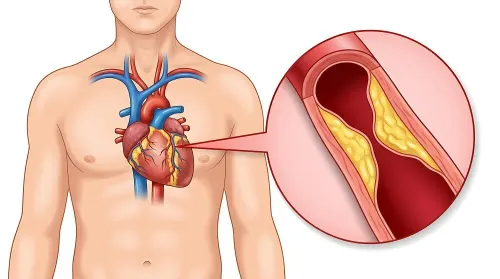
One of the first things to consider when selecting a cardiac specialist is experience with your specific heart condition. Heart disease is not a single illness but a group of conditions that includes coronary artery disease, heart failure, arrhythmias, hypertension, valve disorders, and congenital heart diseases. A specialist who regularly manages these conditions is better equipped to recommend evidence-based treatment tailored to individual needs.
Patients should also look for a cardiologist who offers a comprehensive approach to diagnosis. Heart conditions often require more than a routine examination. A detailed assessment may include:
- Electrocardiogram (ECG)
- Echocardiography
- Stress testing
- Holter monitoring
- Blood pressure evaluation
- Blood investigations
- Advanced cardiac imaging when necessary
Access to these diagnostic facilities allows treatment decisions to be based on complete clinical information rather than symptoms alone.
Communication is another important factor. A good cardiac specialist explains the diagnosis in simple language, discusses available treatment options, answers patient concerns, and helps individuals understand both the benefits and possible risks of recommended therapies. Patients who understand their condition are more likely to follow treatment plans and make healthier lifestyle choices.
Another sign of quality cardiac care is a focus on prevention. Many cardiovascular problems can be delayed or prevented through early identification of risk factors such as diabetes, high cholesterol, smoking, obesity, and uncontrolled blood pressure. Rather than waiting for a medical emergency, experienced specialists encourage regular screenings and proactive heart health management.
Treatment plans should also be individualized. Two patients with similar symptoms may require different approaches depending on age, medical history, family history, existing illnesses, and overall cardiovascular risk. Personalized care helps ensure better outcomes and avoids unnecessary investigations or treatments.
For people living in Mumbai, lifestyle-related cardiovascular risk factors are increasingly common. Long working hours, frequent stress, irregular eating habits, and limited physical activity contribute to conditions that affect heart health. Early consultation with a cardiac specialist can help identify these risks before they progress into more serious disease.
Patients should seek specialist evaluation if they experience recurring chest discomfort, unexplained breathlessness, irregular heartbeats, dizziness, fainting, swelling in the legs, or persistent high blood pressure. Individuals with diabetes, a family history of heart disease, or previous cardiac events should also schedule regular follow-up appointments even if they feel well.
Dr Vijay Bang Cardiologist provides comprehensive cardiac care through detailed evaluation, modern diagnostic techniques, and individualized treatment strategies. Patients receive guidance that extends beyond symptom management, with an emphasis on long-term cardiovascular wellness and prevention of future complications.
Choosing the right cardiac specialist is about more than finding someone to treat existing symptoms. It is about partnering with a healthcare professional who can monitor your heart health over time, identify problems early, and recommend appropriate treatment at every stage. With timely evaluation and consistent follow-up, many heart conditions can be effectively managed, allowing patients to lead healthier and more active lives.
Keywords