An electrocardiogram, commonly called an ECG, is one of the most frequently used tests in cardiovascular medicine. It is quick, non-invasive, and capable of providing important information about the electrical activity of the heart. However, patients should understand both what an ECG can identify and what it cannot determine on its own.
A cardiology doctor in Mumbai may recommend an ECG when investigating symptoms such as chest discomfort, palpitations, dizziness, fainting, breathlessness, or suspected rhythm abnormalities.
What Does an ECG Measure?
Every heartbeat is controlled by electrical signals. An ECG records these signals through electrodes placed on the skin and displays them as a tracing.
Doctors interpret characteristics such as heart rate, rhythm, electrical conduction, and patterns that may indicate particular cardiac abnormalities.
An ECG may help identify:
- Abnormally fast or slow heart rhythms
- Irregular heartbeat patterns
- Certain conduction abnormalities
- Evidence associated with a current or previous heart attack
- Some effects of electrolyte disturbances
- Certain changes associated with enlargement or strain of heart chambers
Its clinical meaning depends on why the test was performed and what other findings are present.
Is an ECG Painful?
A standard resting ECG does not send electricity into the body. Small electrodes are attached to the chest and limbs to record electrical activity already being generated by the heart.
The procedure generally takes only a short time and does not involve injections or radiation.
Can a Normal ECG Rule Out Heart Disease?
This is an important misconception.
A normal ECG can be reassuring in the appropriate clinical situation, but it cannot exclude every cardiovascular condition. Some heart problems may not produce abnormalities during a short resting recording.
For example, intermittent rhythm disturbances may occur outside the period when the ECG is being recorded. Similarly, evaluating coronary artery disease may require additional assessment depending on symptoms and cardiovascular risk.
A heart doctor therefore interprets the ECG together with medical history, physical examination, and other investigations when necessary.
When Might Additional Tests Be Needed?
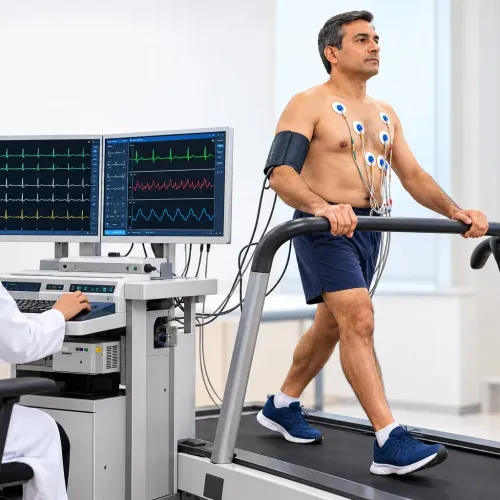
Depending on the clinical situation, further evaluation could include echocardiography, ambulatory rhythm monitoring, exercise-related testing, blood investigations, coronary imaging, or other specialised cardiac tests.
The choice should be based on the patient's symptoms and risk profile rather than assuming that everyone with chest discomfort requires the same investigation.
How Should Patients Prepare?
A standard resting ECG generally requires little preparation. Wearing clothing that allows convenient access to the chest can make electrode placement easier.
Patients should tell their doctor about current medicines because certain medications can affect heart rate or rhythm.
If you already have previous ECG recordings, carry them with you. Comparing current and older tracings can sometimes provide clinically useful information.
When an ECG Should Not Delay Emergency Care
Severe or persistent chest pressure, significant breathing difficulty, collapse, or other sudden concerning symptoms should not be managed by arranging a routine ECG appointment independently. Such situations may require urgent medical assessment.
Patients in Mumbai who experience ongoing but non-emergency cardiac symptoms can discuss whether an ECG or another investigation is appropriate during consultation.
Dr Vijay Bang Cardiologist evaluates cardiovascular symptoms and determines how ECG findings fit into the broader clinical picture.
An ECG is valuable because it provides immediate information about the heart's electrical activity, but it is only one component of cardiac diagnosis. The most useful interpretation comes from combining the tracing with symptoms, risk factors, examination findings, and any additional investigations that are clinically necessary.
Keywords