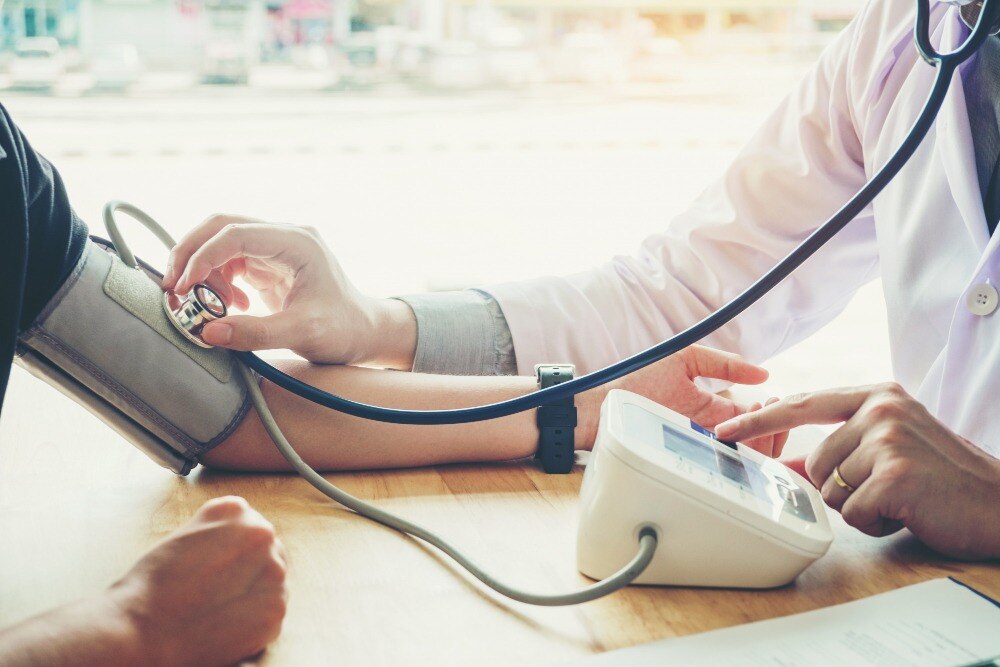
A blood-pressure number is useful only when you know how it was measured, whether it is a one-off or a pattern, and what other health conditions change its meaning. By the end, you will know how to take reliable home readings, record them for clinical review, recognise emergencies, and understand how treatment choices are made.
Key takeaways
- Systolic is the first number; diastolic is the second.
- Rest five minutes and keep your arm supported before measuring.
- Recheck a high reading; seek emergency care for severe symptoms.
- Treatment depends on your readings, overall risk, and response to medicines.
What Your Systolic and Diastolic Numbers Mean
The first number is systolic blood pressure: the pressure in your arteries when the heart contracts. The second is diastolic blood pressure: the pressure between heartbeats. A reading of 138/84 mmHg therefore means a systolic pressure of 138 and a diastolic pressure of 84.
Interpret an office reading using the higher category reached by either number, based on an average of repeated measurements:
- Normal blood pressure: below 120/80 mmHg.
- Elevated blood pressure range: 120 to 129 mmHg systolic with diastolic below 80 mmHg.
- Stage 1 hypertension: systolic 130 to 139 mmHg or diastolic 80 to 89 mmHg.
- Stage 2 hypertension: systolic at least 140 mmHg or diastolic at least 90 mmHg.
- Hypertensive crisis: systolic above 180 mmHg or diastolic above 120 mmHg.
One high result does not diagnose hypertension; repeated, properly taken readings establish the pattern. Clinic readings can run high with white-coat hypertension, while masked hypertension produces normal clinic numbers but high home or ambulatory readings and can go unnoticed.
Persistent hypertension increases the risk of stroke, heart attack, heart failure, kidney disease, and cognitive decline. Lower is not automatically safer: treatment targets depend on conditions such as chronic kidney disease, diabetes, pregnancy, cardiovascular disease, measurement method, and side effects.
A target below 120 mmHg systolic applies only to selected patients under standardized monitoring, not as a universal home-reading goal.
How to Take a Reliable Blood-Pressure Reading at Home
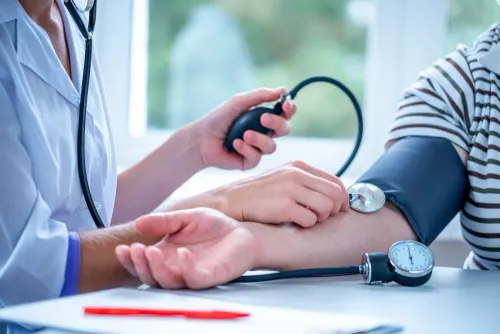
A reliable record starts with a validated upper-arm blood-pressure monitor, not a wrist or finger device. Check that the monitor is validated for clinical use, and match its cuff to your upper-arm circumference; the wrong cuff size can produce a misleading result.
- Avoid caffeine, exercise, and smoking for 30 minutes before measuring. Empty your bladder, if needed.
- Sit in a chair with your back supported, both feet flat on the floor, and legs uncrossed. Do not talk or use your phone.
- Rest for five minutes before starting.
- Place the cuff on bare skin, with its lower edge just above the elbow crease. Keep the tubing over the inner arm.
- Support the cuffed arm on a table so your arm is at heart level. Keep your hand relaxed.
- Start the monitor and remain still while it inflates and records the result.
- Wait about one minute, then take a second reading. Record both readings and use their average for the day’s result.
Write down the date, time, systolic and diastolic numbers, pulse, medication timing, symptoms, and whether you measured before or after exercise. Measure at consistent times, such as before medication in the morning and before dinner, according to your clinician’s instructions. Bring the monitor and log to appointments so the technique and device can be checked.
When a High Reading Needs Rechecking or Emergency Care
A single high blood-pressure reading usually calls for a careful repeat, not an immediate diagnosis. Sit quietly for five minutes, check that the cuff fits correctly, and take two readings one minute apart. Record both results, the pulse, time, symptoms, and medication timing in your home blood-pressure log.
Contact a clinician if readings remain above your usual range across several checks or appointments, even when you feel well. Share the log rather than reacting to one number; repeated readings help distinguish persistent hypertension from an isolated rise, such as one after exercise, caffeine, pain, or stress.
Do not stop or change prescribed medicine because readings improve without discussing it with the prescriber.
Treat a hypertensive crisis 180/120 mmHg or higher as urgent. Repeat the measurement after at least one minute. The next step depends on the result and your symptoms:
- If the repeat remains at or above 180/120 mmHg without symptoms, contact a clinician immediately for instructions; do not wait for a routine appointment.
- If the reading is at or above 180/120 mmHg with chest pain, shortness of breath, severe headache, confusion, weakness or numbness, vision loss, difficulty speaking, or severe back pain, call emergency services immediately. Do not drive yourself.
- If the repeat falls below 180/120 mmHg but remains clearly high, record it and arrange prompt clinical advice, especially if similar readings continue.
How Clinicians Match Treatment to Your Risk
Treatment follows both your blood-pressure pattern and your chance of cardiovascular harm. One elevated reading does not establish chronic hypertension: clinicians usually confirm an average of at least two carefully taken readings on at least two occasions, using home or ambulatory monitoring when needed.
| Situation | What clinicians consider | Usual treatment direction |
|---|---|---|
| First elevated reading | Measurement error, temporary triggers, and the possibility of white-coat hypertension | Repeat correctly; use home or ambulatory monitoring before labelling persistent hypertension |
| Stage 1 hypertension | Overall cardiovascular risk, not the pressure alone | Lifestyle treatment for lower-risk adults; medication becomes more likely with cardiovascular disease or a calculated 10-year risk of at least 10% |
| Stage 2 hypertension | Repeated readings at or above 140/90 mmHg under ACC/AHA categories | Lifestyle changes plus medication, often requiring more than one drug |
| Normal clinic, high home readings | Masked hypertension, which carries greater risk than consistently normal pressure | Confirm outside the clinic and treat the sustained pattern |
| Diabetes, kidney disease, or cardiovascular disease | Greater risk from prolonged pressure and, with kidney disease, salt sensitivity and kidney-function changes | Earlier medication and a commonly used goal below 130/80 mmHg if tolerated |
| Pregnancy or older age | Pregnancy-specific safety needs; falls, postural symptoms, kidney function, and frailty in older adults | Use pregnancy-safe options or an individualised target rather than copying another person’s regimen |
Lifestyle treatment includes DASH-style eating, less sodium, suitable activity, weight loss when appropriate, and limited alcohol. Lower is not automatically better: intensive targets can increase fainting, electrolyte problems, and acute kidney injury, so follow-up and adjustment matter.
Medicines, Side Effects, and the Follow-Up Plan
Normal home readings usually show that treatment is working, not that hypertension has disappeared. Keep taking medicines unless the prescribing clinician changes the plan; abrupt withdrawal can cause rebound hypertension.
If readings remain at least 20/10 mmHg above your target, clinicians often begin two complementary medicines, sometimes in one tablet. Common long-term options include:
- ACE inhibitors: protect kidney and heart function; cough or facial swelling needs prompt medical advice.
- Angiotensin receptor blockers: an alternative after ACE-inhibitor cough; monitor kidney function and potassium.
- Calcium-channel blockers: effective long-acting treatment; ankle swelling and flushing can occur.
- Thiazide-like diuretics: lower pressure through salt and fluid removal; check sodium, potassium, kidney function, and gout symptoms.
- Beta blockers: useful for selected conditions such as angina, certain arrhythmias, or after a heart attack; fatigue and a slow pulse can occur.
Do not combine ACE inhibitors with angiotensin receptor blockers unless a specialist gives a specific reason; the combination raises kidney and electrolyte harms without improving cardiovascular outcomes.
For a missed dose, follow the medicine label or ask a pharmacist; do not double the next dose unless instructed. Record the missed dose, symptoms, and readings.
Persistent elevation despite three appropriate medicines, including an ACE inhibitor or ARB, calcium-channel blocker, and thiazide-like diuretic, needs a structured review of technique, adherence, interacting medicines, and out-of-office readings. Confirmed resistant hypertension may require spironolactone, with potassium and kidney monitoring.
Sudden onset, unexplained low potassium, worsening kidney function, or sleep-apnea symptoms warrants evaluation for a secondary cause. Dr Vijay Bang Cardiologist in Mumbai can use your medication timing and home log to identify these patterns and plan follow-up.
Frequently asked questions
What do systolic and diastolic blood-pressure numbers mean?
Systolic pressure is the first number and measures artery pressure when the heart contracts. Diastolic pressure is the second number and measures pressure between heartbeats.
How can you take a reliable blood-pressure reading at home?
Use a validated upper-arm monitor, rest quietly for five minutes, keep your feet flat and back supported, support your arm at heart level, and take repeated readings.
When does a high blood-pressure reading require emergency care?
Recheck a high reading after resting. Seek emergency care when severe blood pressure is accompanied by symptoms such as chest pain, breathlessness, weakness, confusion, or vision changes.
How do clinicians decide which blood-pressure treatment is appropriate?
Clinicians consider your readings, cardiovascular risk, other health conditions, current medicines, and how you respond during follow-up.
What should you discuss about blood-pressure medicines and follow-up?
Discuss side effects, missed doses, interactions, target readings, and when to repeat measurements or return for review.