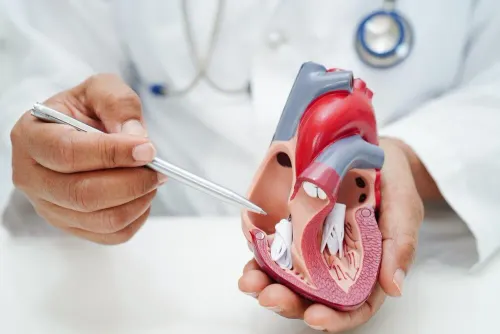
Heart disease remains one of the leading causes of illness worldwide, but advances in medical care have made it possible to diagnose and manage many cardiac conditions successfully. The key is recognizing symptoms early and beginning appropriate heart disease treatment before permanent damage occurs. Whether the condition involves blocked arteries, heart valve disorders, rhythm abnormalities, or weakened heart muscles, timely intervention can significantly improve both quality of life and long-term outcomes.
Heart disease is not a single condition but a broad term that includes coronary artery disease, heart failure, arrhythmias, congenital heart defects, cardiomyopathy, and heart valve disorders. Although each condition affects the heart differently, many share common risk factors and early warning signs.
People often ignore mild symptoms because they believe heart disease only causes severe chest pain. In reality, early symptoms can be subtle and may include:
- Chest discomfort during physical activity
- Shortness of breath
- Fatigue without an obvious cause
- Dizziness or fainting
- Irregular heartbeat
- Swelling in the ankles or feet
- Reduced exercise tolerance
Recognizing these symptoms and seeking medical evaluation promptly can help detect heart disease before complications develop.
Several factors increase the likelihood of developing cardiovascular disease. High blood pressure, diabetes, elevated cholesterol, smoking, obesity, physical inactivity, chronic stress, unhealthy eating habits, and a family history of heart disease all contribute to increased cardiovascular risk. While some factors cannot be changed, many can be controlled through lifestyle modifications and appropriate medical care.
Accurate diagnosis is the foundation of effective heart disease treatment. A cardiologist begins by reviewing the patient's medical history, symptoms, family history, and lifestyle. Depending on the findings, several diagnostic investigations may be recommended, including:
- Electrocardiogram (ECG)
- Echocardiography
- Exercise stress testing
- Blood investigations
- Holter monitoring
- Coronary imaging when indicated
These investigations help determine the type and severity of heart disease while guiding the most suitable treatment approach.
Treatment varies according to the underlying condition. Some patients benefit primarily from lifestyle modifications, including healthier eating habits, regular exercise, weight management, smoking cessation, and stress reduction. Others require medications to control blood pressure, cholesterol, heart rhythm, or blood clotting. In more advanced cases, procedures such as coronary angioplasty, pacemaker implantation, or cardiac surgery may be recommended.
One common misconception is that treatment ends once symptoms improve. Heart disease usually requires ongoing management through regular follow-up appointments, medication adherence, and continuous monitoring of cardiovascular risk factors. Preventive care remains essential even after successful treatment to reduce the likelihood of future cardiac events.
Residents of Mumbai often balance demanding careers, long commuting hours, irregular meal timings, and limited opportunities for physical activity. These lifestyle challenges may increase the risk of hypertension, diabetes, obesity, and coronary artery disease. Regular cardiac checkups become especially valuable for identifying problems before they become medical emergencies.
Individuals over the age of 40, as well as those with diabetes, high blood pressure, elevated cholesterol, or a family history of cardiovascular disease, should consider routine heart evaluations even if they currently have no symptoms. Preventive screening often detects problems at an earlier and more manageable stage.
Dr Vijay Bang Cardiologist provides comprehensive heart disease treatment through detailed clinical assessment, advanced diagnostic evaluation, and individualized care plans designed around each patient's specific condition and long-term cardiovascular health goals. The emphasis is on treating the underlying disease while helping patients reduce future risk through preventive strategies.
Heart disease is far more manageable when detected early. Paying attention to warning signs, attending regular health screenings, and following medical advice can protect heart function, improve overall well-being, and support a healthier future for patients and their families.
Keywords