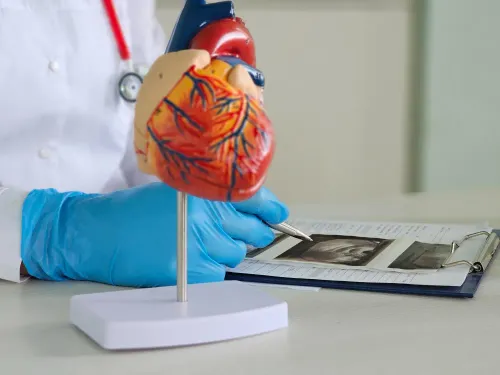
A cardiology visit is usually a structured assessment, not an automatic procedure appointment. You can make it more useful by bringing the right records, describing symptoms precisely, understanding why tests are selected, and leaving with clear instructions for follow-up or urgent care.
Key takeaways
- Bring medication doses, previous tests, discharge summaries, and home readings.
- Write a brief symptom timeline with triggers, duration, and changes.
- Ask why each test is needed and when you will receive results.
- Leave with medication instructions, warning signs, and a follow-up date.
Before the appointment: prepare your records, symptoms, and questions
Make your cardiology appointment preparation practical: gather records and write a brief symptom timeline before you arrive. Bring a medication list with doses, including over-the-counter medicines, vitamins, supplements, and inhalers. Include previous ECGs and imaging reports, recent laboratory results, discharge summaries, operative records, home blood-pressure or heart-rate readings, and referral or insurance documents.
- Record when each symptom began, how long it lasts, where you feel it, what triggers it, its severity, and what relieves it. Note whether episodes occur during exercise or at rest, and include breathlessness, palpitations, unusual fatigue, nausea, dizziness, or fainting.
- Check your medicines against the containers at home. The cardiologist needs accurate doses because anti-inflammatory painkillers, decongestants, stimulants, anticoagulants, and some supplements can affect blood pressure, heart rate, bleeding, kidney function, or drug interactions.
- Write your main question and two or three decisions you need help with, such as whether symptoms need testing, whether exercise is safe, or whether a medicine is causing problems.
Do not wait for the appointment if you develop new or worsening chest pressure, squeezing, or pain, especially with shortness of breath, sweating, nausea, fainting, or pain spreading to an arm, jaw, back, or shoulder. Severe breathing difficulty or sudden collapse requires immediate emergency services.
What happens during registration, history-taking, and examination
Registration usually verifies your identity, contact details, referral reason, allergies, and current medicines. Bring the names and doses of prescription drugs, over-the-counter medicines, and supplements.
The cardiology consultation process then starts with your symptom history. Expect questions about when symptoms began, their location, duration, severity, triggers, and relief. The doctor will ask about chest pain history, breathlessness, palpitations and fainting, dizziness, unusual fatigue, exercise tolerance, sleep, smoking, alcohol, diabetes, blood pressure, cholesterol, family history, and previous heart or vascular disease.
| Assessment | What it checks | What may happen during the visit |
|---|---|---|
| Blood pressure and pulse | Pressure and heart rate | The clinician may repeat readings after rest; several readings or a home log can be more useful than one hurried result |
| Oxygen saturation and weight | Oxygen level and cardiovascular risk | A finger probe and scale provide quick measurements |
| Heart and lung examination | Heart sounds, rhythm, fluid, and breathing problems | The clinician listens with a stethoscope and checks your breathing |
| Leg and neck examination | Swelling, circulation, and signs of fluid retention | The clinician may inspect ankles, feel pulses, and examine neck veins |
| 12-lead ECG | Electrical activity and rhythm | Sticky electrodes record your heart while you lie still |
You may also be asked to provide:
- Previous ECGs, echocardiograms, scans, laboratory reports, discharge summaries, and operative records
- Home blood-pressure or heart-rate readings with dates and times
- A short timeline of symptom episodes, including what you were doing when each began
How the ECG and other tests are chosen
A 12-lead ECG records the heart’s electrical activity at one moment. It can show heart rate, rhythm, conduction delays, signs of reduced blood flow, and evidence of a previous heart attack. A normal result does not exclude an intermittent rhythm problem or explain every case of breathlessness during exertion.
The cardiologist orders another test when the history, examination, ECG, or risk profile raises a specific question:
1. Palpitations, dizziness, or fainting that come and go may lead to Holter monitoring. A portable recorder captures the rhythm during daily activities, unlike an ECG taken during a quiet clinic visit.
2. Breathlessness, a murmur, swelling, or an abnormal ECG may lead to echocardiography. Ultrasound shows the heart chambers, valves, pumping function, and selected blood-flow patterns; it answers a structural question rather than an electrical one.
3. Chest discomfort or exertional symptoms may lead to stress testing, sometimes with imaging. The test assesses how the heart performs under increased demand, but it is not automatically useful for an asymptomatic person at low cardiovascular risk because false-positive results can trigger unnecessary invasive tests.
4. Persistent blood-pressure concerns may lead to home or ambulatory monitoring instead of an immediate medication change. Averaged readings from multiple occasions reveal whether high pressure is sustained rather than caused by one hurried measurement.
The chosen test should match the unanswered question, not simply add more testing.
What you discuss before leaving the consultation
Before you leave, agree on the next step: reassurance and prevention advice, medication changes, additional testing, a procedure, or review after monitoring. Ask for a clear plan rather than assuming the clinic will contact you.
1. Confirm every medication change: the drug name, dose, timing, duration, purpose, common side effects, and what to do if you miss a dose. Ask whether to continue supplements, aspirin, or existing medicines.
2. Request a test results discussion in plain language. Ask what each result shows, what remains uncertain, and which symptoms require urgent care before the next appointment.
3. If testing is proposed, ask why it is needed, what preparation it requires, when results will arrive, and what decision the result will change. A home blood-pressure log or ambulatory monitor may come before a medication change.
4. Ask how coronary CT angiography compares with no further testing or invasive coronary angiography. Invasive coronary angiography uses a catheter and contrast; confirm the expected benefit against bleeding or vascular injury, kidney injury, allergic-type reaction, arrhythmia, heart attack, and stroke risks.
5. If a procedure is recommended, confirm its name, urgency, alternatives, preparation, recovery time, warning signs, and who will perform it. Do not leave without the follow-up date or the method for booking it.
Write down the plan, including blood tests, cholesterol or diabetes review, lifestyle targets, and the threshold for calling the clinic. Take the written instructions home.
How to choose a cardiologist and plan continuing care
Choose a cardiologist by matching the consultation to your decision, not by procedure titles alone. Compare training and experience with your concern, access to ECG and imaging reports, appointment availability, hospital affiliations, fees, and who answers questions after the visit.
| Purpose | Clinical checks | Practical and communication checks |
|---|---|---|
| Prevention | Reviews cholesterol, diabetes, smoking, family history, blood pressure, and overall atherosclerotic risk; does not order stress testing automatically for an asymptomatic, low-risk adult | Explains lifestyle and statin decisions; uses coronary artery calcium scanning selectively when the statin choice remains uncertain |
| Known disease | Manages your diagnosis with a clear plan for medicines, monitoring, procedures, and warning symptoms | Performs medication reconciliation, including doses of prescriptions, NSAIDs, supplements, and over-the-counter drugs |
| Preoperative assessment | States what operation-related risk is being assessed and orders tests only when your history, examination, or procedure requires them | Sends a documented assessment promptly to the surgeon and explains what could delay surgery |
| Second opinion | Reviews original images, reports, diagnoses, and proposed treatment rather than relying on a brief summary | Separates agreement, disagreement, alternatives, risks, and the information still missing |
Ask how the clinic handles continuity of care: who reviews results, how quickly you receive them, and when long-term cardiovascular follow-up occurs. A home blood-pressure log may be more useful than changing treatment after one hurried reading; careful decisions average at least two readings on two occasions.
When comparing Dr Vijay Bang Cardiologist in Mumbai with another Mumbai cardiology clinic, ask these same questions and note whether the answers are specific, understandable, and documented.
Family history also needs precision: record the relative, event, and age, especially a heart attack or stroke before 55 in a male first-degree relative or 65 in a female first-degree relative.
Frequently asked questions
What should I bring to a cardiology consultation?
Bring a medication list with doses, including over-the-counter medicines, vitamins, supplements, and inhalers. Also carry previous ECGs, imaging reports, recent laboratory results, discharge summaries, operative records, home blood-pressure or heart-rate readings, and referral or insurance documents.
What happens during a cardiology consultation?
Registration is followed by a review of your symptoms, medical history, medicines, family history, and previous records. The cardiologist then performs a physical examination and explains the next steps.
Will I need an ECG or other heart tests?
The cardiologist chooses tests based on your symptoms, examination findings, risk factors, and existing records. Ask what each test checks, whether you need preparation, and when results will be available.
What should I discuss before leaving the consultation?
Confirm your diagnosis or working diagnosis, medication instructions, tests still needed, warning signs requiring urgent care, how results will be shared, and the date or timing of follow-up.
How do I choose a cardiologist and plan continuing care?
Check that the cardiologist treats your condition, has access to the tests or procedures you may need, explains options clearly, and offers a practical follow-up plan for monitoring and treatment.