A heart attack is one of the most serious medical emergencies, yet many people fail to recognize its warning signs or delay seeking treatment. Quick medical intervention can significantly reduce damage to the heart muscle and improve recovery outcomes. Understanding how heart attack treatment works and knowing when to seek immediate help can make a life-saving difference.
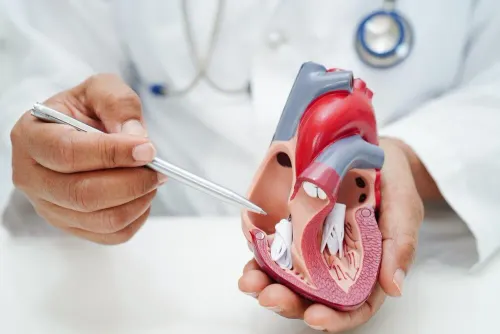
A heart attack, also known as a myocardial infarction, occurs when blood flow to a part of the heart is suddenly blocked. The blockage is usually caused by the rupture of a cholesterol plaque inside a coronary artery, followed by the formation of a blood clot. Without oxygen-rich blood, the affected heart muscle begins to suffer damage within minutes. The longer treatment is delayed, the greater the risk of permanent injury.
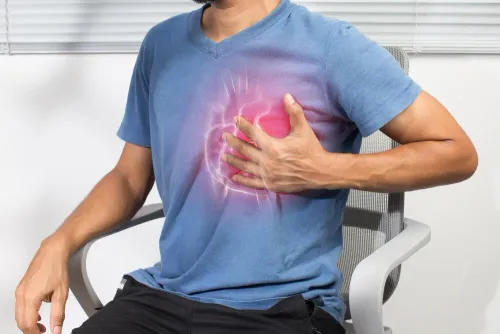
Although severe chest pain is the most recognized symptom, heart attacks can present differently in different individuals. Common warning signs include:
- Persistent chest pain, pressure, or tightness
- Pain spreading to the left arm, shoulder, neck, jaw, or back
- Shortness of breath
- Cold sweats
- Nausea or vomiting
- Sudden dizziness or light-headedness
- Unusual fatigue, especially in women and older adults
Some people experience only mild discomfort or symptoms that resemble indigestion, making early diagnosis even more challenging. Individuals with diabetes may have fewer or less noticeable symptoms, which is why awareness is essential.
If a heart attack is suspected, emergency medical care should be sought immediately. Waiting to see if symptoms improve or attempting to drive yourself to a hospital can delay critical treatment. Emergency medical teams begin assessment during transport, allowing hospitals to prepare for rapid intervention.
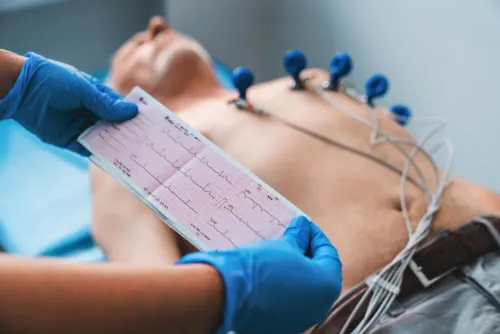
The first priority in heart attack treatment is restoring blood flow to the blocked artery. Doctors use diagnostic tools such as an electrocardiogram (ECG), blood tests that detect heart muscle damage, and imaging studies to confirm the diagnosis. Once identified, treatment begins without unnecessary delay.
Depending on the patient's condition, treatment may involve medications that dissolve or prevent blood clots, reduce the heart's workload, relieve chest pain, and stabilize circulation. In many cases, a procedure called coronary angioplasty is performed, during which a catheter is guided to the blocked artery. A balloon is inflated to reopen the artery, and a stent is often placed to keep it open and restore healthy blood flow.
Recovery does not end after hospital discharge. Cardiac rehabilitation, medication adherence, healthy eating, regular physical activity, smoking cessation, and routine follow-up visits all play an important role in preventing future heart problems. Patients are also encouraged to manage diabetes, blood pressure, cholesterol, and body weight to reduce long-term cardiovascular risk.
Residents of Mumbai often lead fast-paced lives that involve long working hours, high stress, irregular eating habits, and limited physical activity. These lifestyle factors can increase the likelihood of developing coronary artery disease over time. Regular heart health checkups become especially important for individuals over 40 years of age or those with risk factors such as hypertension, diabetes, obesity, or a family history of heart disease.
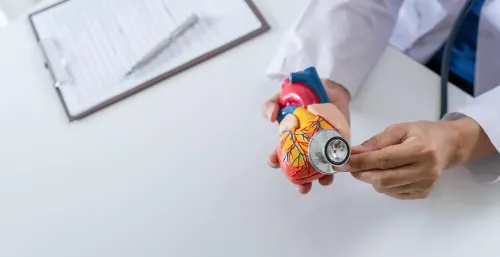
Preventive cardiac evaluations help identify underlying problems before they become emergencies. Cardiologists assess overall cardiovascular health through physical examinations, ECGs, echocardiography, stress testing, and other investigations when necessary. Early diagnosis allows timely treatment that may prevent a future heart attack.
Dr Vijay Bang Cardiologist provides comprehensive evaluation and evidence-based heart attack treatment for patients requiring emergency cardiac care as well as long-term heart health management. The focus is not only on treating the immediate condition but also on helping patients reduce the risk of future cardiac events through individualized care.
Recognizing symptoms early, seeking immediate medical attention, and following appropriate treatment can significantly improve survival and recovery. Every minute counts during a heart attack, and timely action remains the most effective way to protect both heart function and overall quality of life.
Keywords