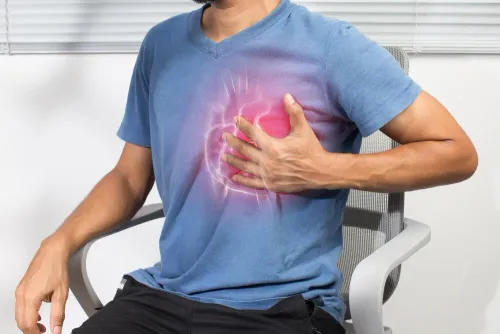
Feeling your heart race, flutter, skip, or beat unusually hard can be unsettling. These sensations are commonly described as palpitations. Some episodes are harmless, while others can be associated with abnormal heart rhythms or underlying medical conditions.
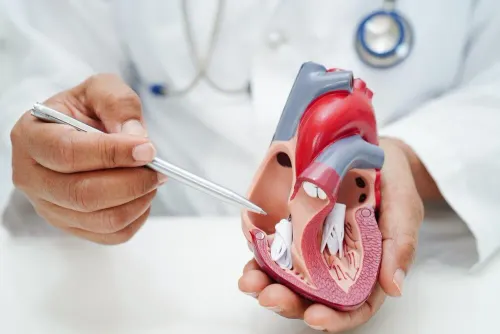
A heart doctor in Mumbai evaluates palpitations by looking at the pattern of symptoms, possible triggers, medical history, and evidence captured through appropriate cardiac testing.
What Can Cause Palpitations?
Palpitations have many possible causes. They can occur during stress, physical exertion, sleep deprivation, dehydration, fever, or after excessive caffeine consumption.
Certain medicines and underlying conditions can also influence heart rate.
Possible medical contributors include thyroid disorders, anaemia, electrolyte abnormalities, and cardiac rhythm disturbances. Because different causes can produce similar sensations, symptoms alone cannot reliably identify the underlying problem.
Details That Help the Doctor
Before visiting a cardiac specialist, patients can pay attention to the characteristics of their episodes.
Useful observations include:
- Whether the heartbeat feels fast, irregular, or unusually forceful
- How suddenly the episode starts
- How long it lasts
- Whether it occurs at rest or during activity
- Whether caffeine, stress, or lack of sleep appears to trigger it
- Whether dizziness, breathlessness, chest discomfort, or fainting occurs
- How frequently episodes happen
These details can help determine which investigation is most suitable.
Why a Normal Clinic ECG May Not Be the Final Answer
An ECG provides a recording of the heart's electrical activity at a particular moment. If palpitations are intermittent and are not occurring when the ECG is performed, the tracing may not capture the responsible rhythm.
In suitable cases, longer-duration rhythm monitoring may therefore be considered.
The objective is often to establish a relationship between the patient's symptoms and the actual heart rhythm occurring during an episode.
When Palpitations Need Greater Attention
Palpitations accompanied by fainting, significant chest discomfort, severe breathlessness, or other concerning symptoms require prompt medical assessment.
People with known structural heart disease, previous heart attack, previous cardiac procedures, or significant cardiovascular risk factors may also require more focused evaluation.
Family history can be relevant, particularly when there is a history of serious rhythm disorders or unexplained premature cardiac events.
What Tests Might Be Considered?
Depending on the clinical assessment, evaluation may involve ECG, blood tests, echocardiography, ambulatory rhythm monitoring, or other cardiac investigations.
There is no single test that is necessary for every patient.
The cardiology doctor will generally select investigations according to the frequency of symptoms, associated features, and the patient's cardiovascular history.
Avoid Self-Diagnosing From Wearable Data
Smartwatches and fitness devices can provide useful information about heart rate and, in some devices, limited rhythm recordings. However, consumer-device alerts are not a substitute for clinical diagnosis.
If a device repeatedly reports an abnormal rhythm, saving the recording or screenshot can be useful for discussion with a doctor. The finding should then be interpreted in the context of symptoms and medical history.
Dr Vijay Bang Cardiologist evaluates patients in Mumbai experiencing palpitations and other cardiovascular symptoms.
The most useful approach to palpitations is not to assume that every unusual heartbeat represents serious heart disease or that every episode is harmless. Recording when symptoms happen, noting associated symptoms, and obtaining appropriate medical evaluation can help identify whether further cardiac investigation or treatment is required.
Keywords